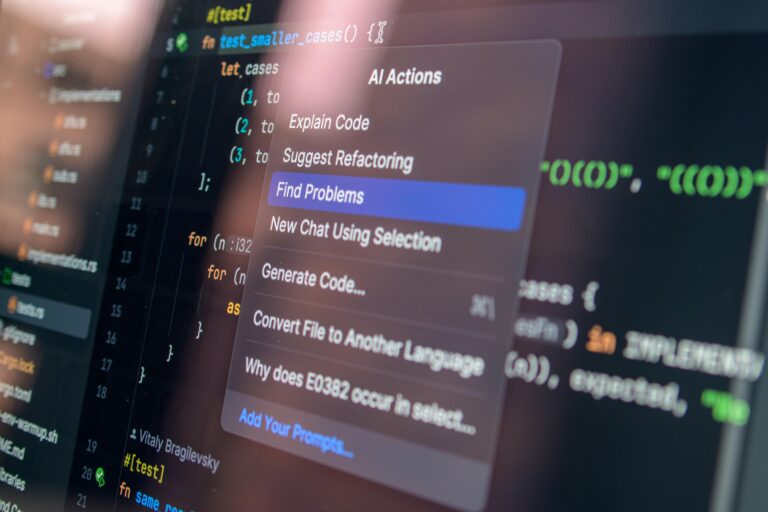

AI tools for small businesses are becoming essential as teams try to do more with limited time and resources. For many small businesses, growth creates a familiar problem: more work, but not enough time.
Hiring more people isn’t always an option. Budgets are tight, onboarding takes time, and managing a larger team adds complexity. As a result, many small businesses look for ways to do more with the resources they already have.
This is where AI tools for small businesses start to make a real difference.
Why Time Is the Biggest Bottleneck for Small Businesses
Most small teams aren’t inefficient because they work poorly. They’re inefficient because too much time is spent on repetitive, manual tasks.
Copying information between tools. Following up on emails. Scheduling work. Repeating explanations. None of these tasks are difficult, but together they consume hours every week.
Over time, this limits growth. Important work is delayed. Decisions slow down, and teams stay busy without moving forward. This is why many teams explore how small businesses use AI tools to save time every week instead of relying on manual fixes.
What AI Tools Actually Help With
AI tools don’t replace people. They remove unnecessary work.
For small businesses, this usually means automating tasks that don’t require human judgment. Things like moving data between apps, organizing information, capturing conversations, or keeping work structured.
When these tasks are handled automatically, teams regain time and mental space to focus on higher-value work.
Common Ways Small Businesses Use AI Tools
Small businesses use AI tools in different ways, depending on where time is being lost.
Some focus on automation, using tools to connect apps and remove manual steps. Others focus on organization, making sure tasks, notes, and decisions live in one place instead of scattered across tools. Many teams also use AI to capture knowledge from meetings and conversations, so information doesn’t disappear.
The key isn’t using more tools – it’s using the right ones for the right problems.
Why AI Tools Are More Practical Than Hiring
Hiring solves capacity problems, but it also introduces new ones. Training takes time. Communication becomes more complex. Processes need to be clearer.
AI tools for small businesses offer a different kind of leverage. They reduce workload without increasing headcount. They scale quietly, in the background, without adding management overhead.
For many small teams, this makes AI tools a more realistic first step than hiring.
Getting Started Without Overcomplicating Things
The biggest mistake small businesses make with AI is trying to do too much at once.
Successful teams usually start small. They identify one repetitive task, one workflow that causes friction, or one area where information gets lost. Then they introduce a single AI tool to solve that specific problem.
As confidence grows, automation and AI become part of how the business operates – not an extra layer to manage.
Final Thoughts
AI tools for small businesses aren’t about chasing trends. They’re about removing friction from daily work.
When used intentionally, AI helps small teams save time, reduce manual effort, and grow sustainably without burning out or hiring prematurely.